




Stop Paying Aglycone Prices for Generic Glycosides: A Factory-Floor Guide to Hesperetin 98%
A purchasing manager forwarded me a spec sheet last Tuesday, asking why our Hesperetin 98% was priced significantly higher than his current supplier. I took one look at his COA and sighed. His current supplier wasn’t selling him Hesperetin. They were selling him Hesperidin, slapped a new label on it, and charged him double.
I see this happen constantly in the citrus flavonoid market. Brands want the high bioavailability and clinical performance of Hesperetin, but they end up buying cheap, un-hydrolyzed raw extracts because someone in procurement didn't know the difference between a glycoside and an aglycone.
I’m writing this straight from our extraction floor to clear up the confusion. We'll talk about why clipping off a sugar molecule costs money, how to spot a fake HPLC report, and what actually happens if you dump this powder into a cold mixing tank.
The Chemistry: Why We Cut the Sugar Off
If you extract immature bitter orange (Citrus aurantium L.), you get Hesperidin. It's abundant, it's cheap, and the human gut does a terrible job of absorbing it.
The Glycoside Anchor (Hesperidin)
In its raw plant state, the active flavonoid is chemically bound to a massive sugar molecule called rutinose. This sugar acts like an anchor. Because the combined molecule is so bulky and hydrophilic (water-loving), it struggles to pass through the lipid bilayer of the intestinal wall. Most of it simply washes out of your system.
The Aglycone Freedom (Hesperetin)
To fix this, we put the extract into a reactor and run an aggressive hydrolysis process (using precise pH and temperature controls) to literally snap that sugar bond. What remains is Hesperetin—the pure "aglycone". It is smaller, fat-soluble, and slips right through cell membranes. You get a massive spike in bioavailability.
How Brokers Fake the Spec Sheet
Hydrolysis takes time, solvent, and reactor space. That’s why sketchy traders try to sell you the raw stuff disguised as the pure stuff. When you pull our COA for Hesperetin 98% Powder, here is how you verify it.
| The Spec Line | What it actually means on the floor |
|---|---|
| Assay: ≥ 98.0% (HPLC) | If the test method says "UV spectrophotometry," throw it in the trash. UV cannot accurately distinguish between Hesperidin and Hesperetin. You must use High-Performance Liquid Chromatography (HPLC) to prove the sugar was actually cleaved off. |
| Loss on Drying: ≤ 5.0% | Moisture matters. If they don't vacuum-dry the final crystal properly, the powder will cake up in your encapsulation hopper and wreck your dosing consistency. |
| Residual Solvents: Conforms | You don't get 98% purity by washing it with hot water. We use specific solvents during hydrolysis and crystallization. The COA must prove we vacuumed those solvents out well below USP safety limits. |
⚠️ Shop-Floor Warning: The Solubility Headache
Here is the trade-off nobody tells you. By removing that sugar molecule to make the body absorb it better, Hesperetin becomes highly lipophilic (it hates water). If your R&D team tries to dump this powder straight into a cold, aqueous sports drink or a clear serum, it will precipitate immediately and form a sludgy film on the equipment. You have to pre-solvate it in propylene glycol, ethanol, or a lipid carrier before emulsifying. Talk to your chemists before ordering 50 kilos for a liquid formula.
Where It Actually Moves Volume
Contract manufacturers aren't paying the premium for Hesperetin just for fun. It is deployed in formulations where high absorption is non-negotiable:
Vascular & Vein Support: Usually stacked alongside Diosmin. Because the aglycone absorbs so well, it effectively supports microcirculation and capillary integrity.
Advanced Skincare Serums: Topical absorption requires lipophilic compounds. Hesperetin penetrates the stratum corneum much better than its bulky glycoside cousin, neutralizing UV-induced radicals.
Neurological R&D: Research shows the aglycone form has a much easier time crossing the blood-brain barrier (which the bulky Hesperidin struggles to do) for neuroprotective formulas.
Factory FAQ
Is Hesperetin just a different spelling for Hesperidin?
No. Hesperidin has a sugar molecule attached (making it hard to absorb). Hesperetin is the purified molecule with the sugar removed (highly absorbable). They are chemically different.
Why is it so much more expensive?
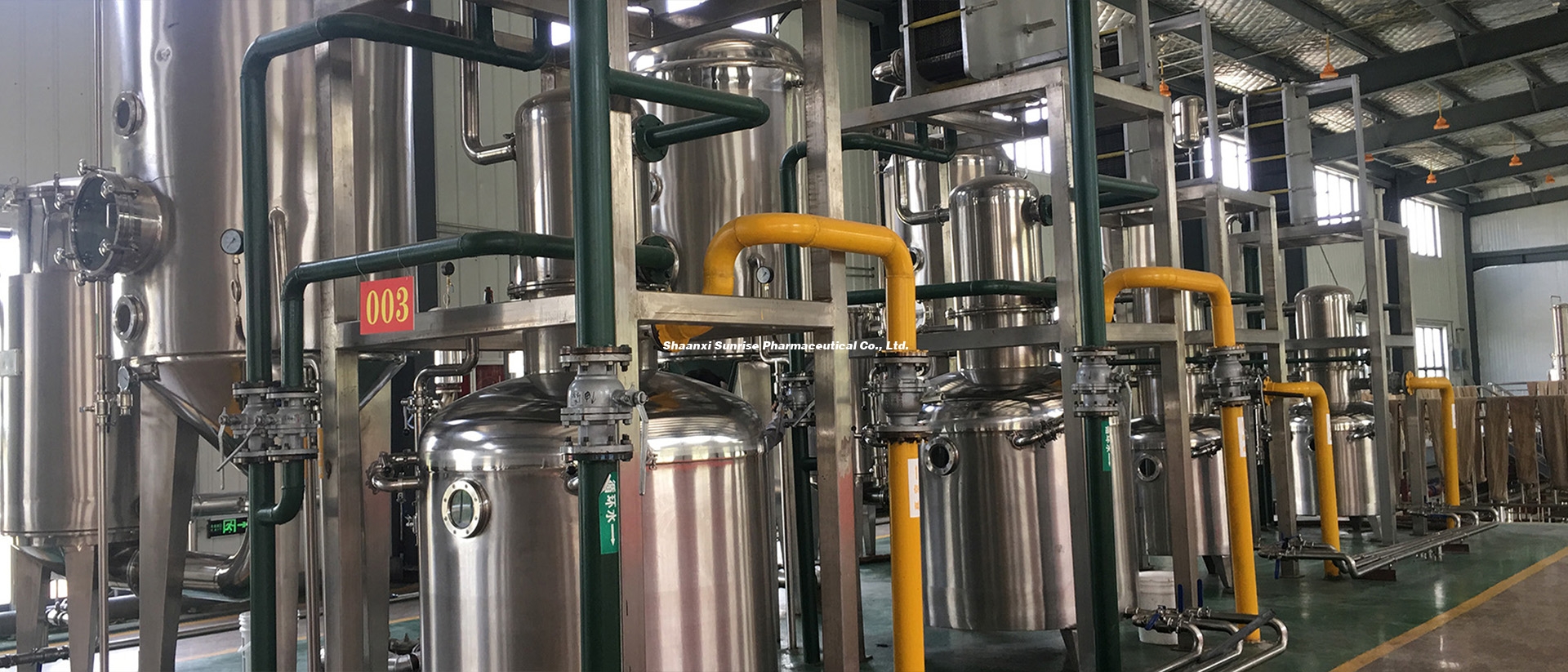
You have to extract the Hesperidin first, and then put it through an entirely separate, solvent-heavy hydrolysis process to cut the sugar off, followed by re-crystallization. You are paying for reactor time and a massive upgrade in bioavailability.
Do you sell finished capsules or serums?
No. We are a B2B raw material factory. We run the extraction and hydrolysis, pack the 98% powder in 25kg drums, and ship it to contract manufacturers and brands. We do not make retail goods.
How do you package commercial orders?
We pack 1 kg quantities in pharmaceutical-grade foil bags for bench testing. Commercial runs (25 kg) are sealed in double-layer antistatic bags and shipped in rigid fiber drums to prevent moisture ingress during ocean transit.
Need to Audit Our HPLC Data?
If you are tired of dealing with inconsistent citrus extracts and questionable UV test reports, let's talk chemistry. Check the exact specifications on our product page or contact our desk directly for the batch documentation and a sample.
View Product Specs & Request Sample