


Beyond Glycolic Acid: The Formulator's Real-World Guide to Sourcing Lactobionic Acid 98% (PHA)
I write these notes straight from our active ingredient synthesis floor. If your R&D team is still trying to force high-concentration traditional AHAs into sensitive skin lines, you already know the result: red faces, compromised skin barriers, and bad customer reviews. The industrial fix is Lactobionic Acid—a 3rd generation Polyhydroxy Acid (PHA). But buying a powder that instantly turns into a 25kg solid brick because the supplier messed up the packaging will ruin your production run. Here is how to source it without the headaches.
The Bench Reality: For decades, Glycolic Acid and Lactic Acid were the undisputed kings of chemical exfoliation. But they are tiny molecules. They crash through the stratum corneum rapidly, hitting the nerve endings and causing that infamous "stinging" sensation.
Formulators upgrading to premium, barrier-friendly skincare have pivoted to Lactobionic Acid (Cosmetic PHA). It provides the exact same cellular turnover as AHAs, but without the burn. More importantly, it acts as a massive moisture magnet. But working with a highly hygroscopic (water-loving) powder requires strict attention to the factory spec sheet and packaging. Let's look at the chemistry.
1. Why the 3rd Generation PHA Outperforms AHAs
Why do high-end dermatological brands pay the premium for Lactobionic Acid? It comes down to molecular size and the galactose structure.
The "Slow-Motion" Exfoliator
Lactobionic Acid has a significantly larger molecular weight (358 Da) compared to Glycolic Acid (76 Da). Because it is physically massive, it penetrates the skin barrier slowly and evenly. It dissolves the desmosomes (the glue holding dead skin cells together) at the surface without triggering the deep inflammatory response and stinging associated with rapid-penetrating AHAs.
The Massive Water Magnet
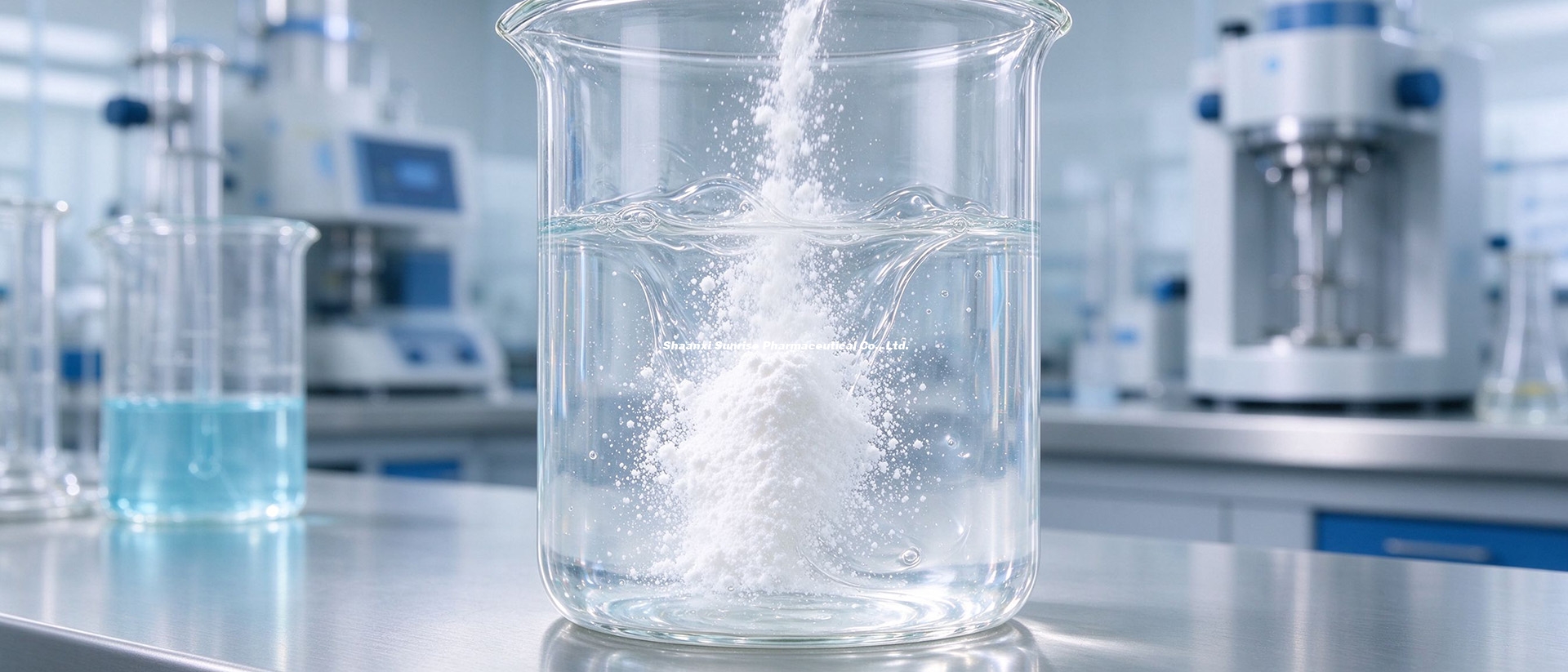
Lactobionic Acid is structurally formed by attaching a galactose sugar molecule to gluconic acid. It contains eight hydroxyl groups (water-binding sites). This makes it a ferocious humectant. Unlike traditional acids that dry the skin out, Lactobionic Acid actually pulls moisture from the air into the skin matrix, plumping the tissue while it exfoliates.
2. Reading the 98% Spec Sheet Like a Chemist
When you pull our Certificate of Analysis for Lactobionic Acid 98% Powder, you shouldn't just glance at the top line. Here is what I teach procurement teams to look for.
| Analytical Parameter | The Factory-Floor Translation |
|---|---|
| Assay (Purity) | ≥ 98.0% (HPLC). You are buying the purified active compound. Lower purities from sloppy synthesis often contain unreacted lactose or heavy ash residues that will destabilize your cosmetic emulsion. |
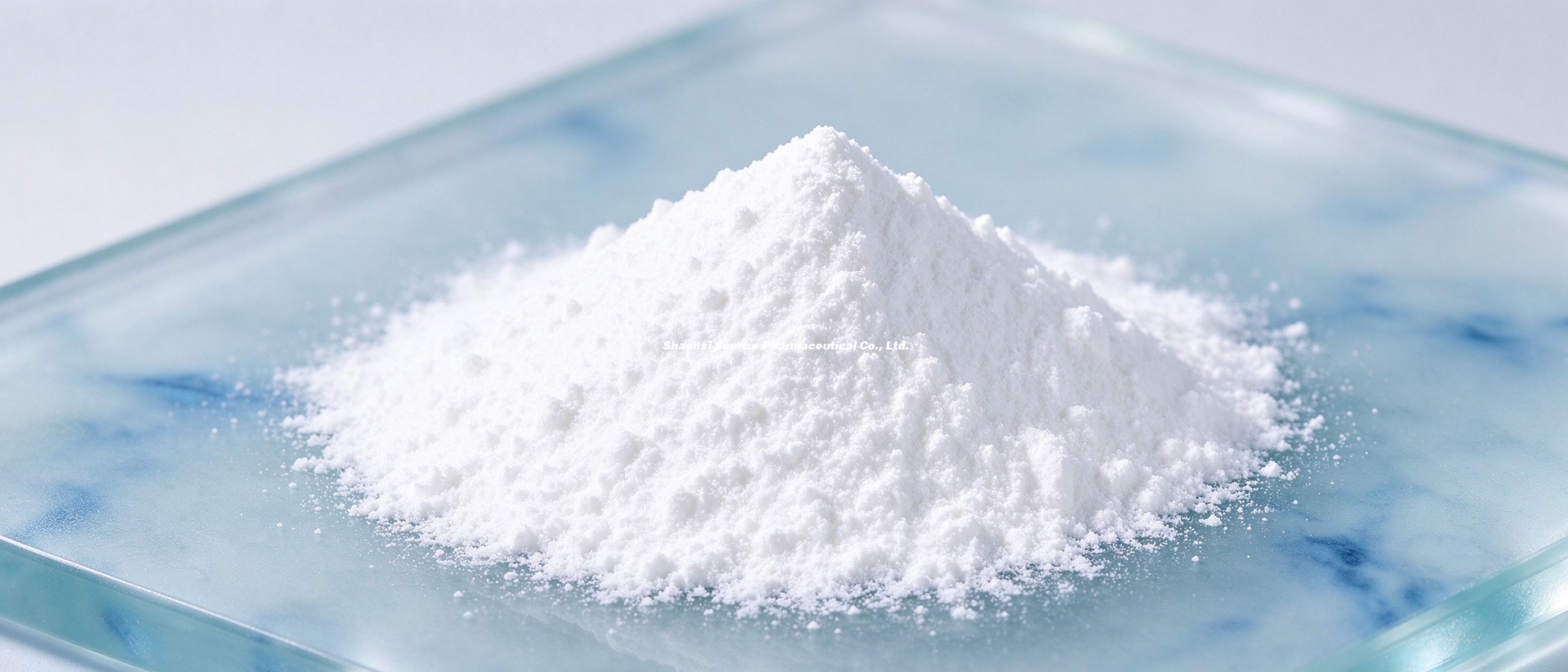
| Appearance | White crystalline powder. It should be perfectly white and free-flowing upon opening. Any yellowing indicates severe degradation or poor crystallization during manufacturing. |
| Solubility Profile | Highly Water Soluble. It dissolves rapidly and cleanly in the aqueous phase of your serum or toner. No heavy solvents or heating phases required. |
| Loss on Drying (Moisture) | ≤ 5.0%. This is critical. Because it loves water, the powder must leave the factory bone-dry. If the initial moisture is too high, the powder will clump before it even reaches your facility. |
⚠️ Shop-Floor Warning: The Hygroscopic "Brick" Trap
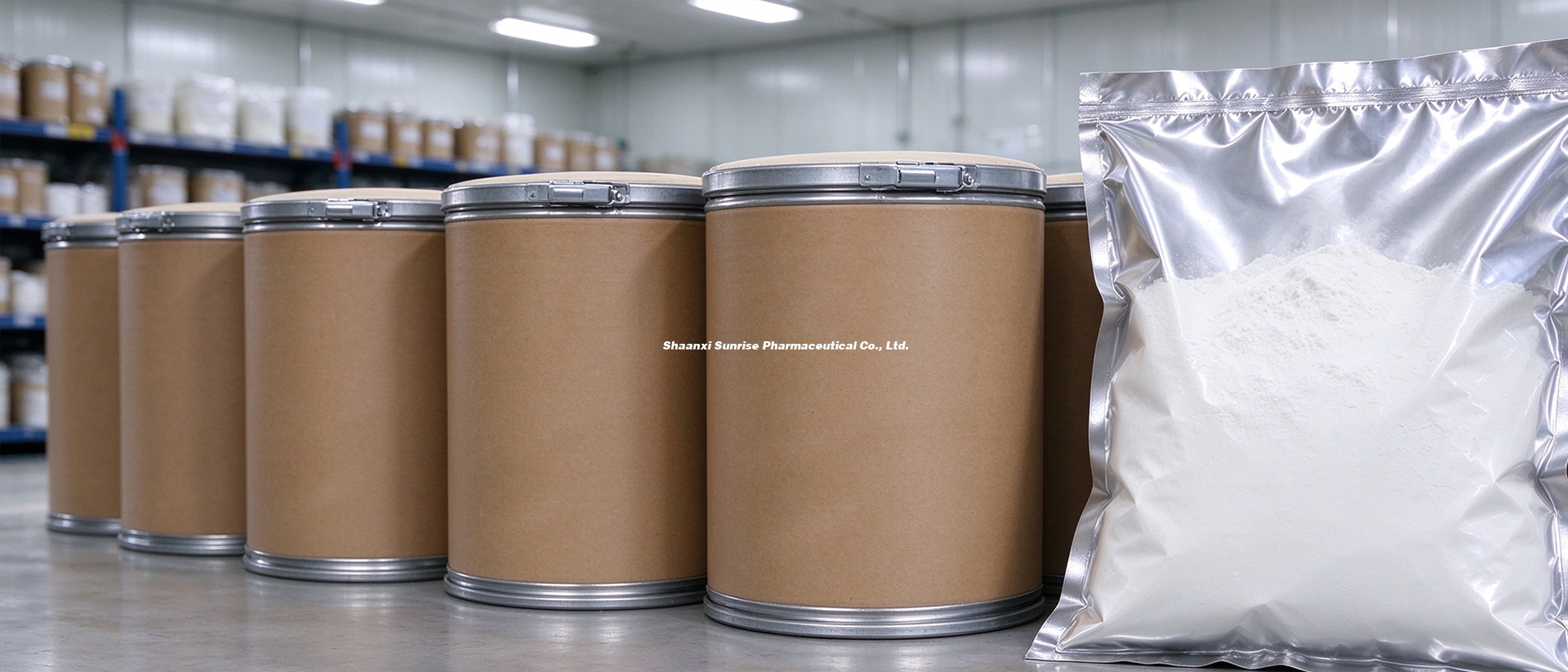
I cannot stress this enough: Lactobionic Acid is fiercely hygroscopic. It absorbs moisture straight out of the ambient air. If your supplier packs this in a cheap, unlined plastic bag inside a cardboard box, the humidity during ocean transit will turn your 25kg powder order into a solid 25kg brick of acid. You will have to literally chisel it apart on the mixing floor. Proper multi-layer foil vacuum packaging is non-negotiable.
3. Where Contract Manufacturers Are Deploying It
Because it offers exfoliation without irritation, Lactobionic Acid 98% has carved out massive volume in three specific formulation sectors:
Sensitive Skin / Rosacea Peels: The flagship application. It provides cellular turnover and brightness for skin types that cannot tolerate 5% Glycolic or Salicylic acid.
"Glass Skin" Hydrating Toners: Because of its 8 hydroxyl groups, it acts as a dual-action active—sloughing off dead skin while aggressively hydrating the fresh layer underneath.
Post-Procedure & Barrier Repair Creams: Used heavily in medical spas to maintain skin texture after laser treatments without triggering secondary inflammation.
4. How to Audit a PHA Supplier Without Getting Scammed
Synthesizing high-purity Lactobionic Acid requires serious chemical engineering. If your supplier gets defensive when you ask these four questions, find a new partner.
Check the Heavy Metals Profile
Because catalysts are used during the oxidation of lactose to create Lactobionic Acid, the final crystallization must be immaculate. Demand a COA that explicitly proves heavy metals (Lead, Arsenic, Cadmium) are stripped well below strict global cosmetic safety thresholds.
Demand HPLC Verification
Traders often fake 98% purity claims using outdated titration methods. If the word "HPLC" (High-Performance Liquid Chromatography) isn't on the testing sheet, the document is useless. You are paying for pure PHA.
Verify the Packaging Specs
As mentioned, this powder will turn into a brick if exposed to air. We use thick, pharmaceutical-grade aluminum foil bags, vacuum seal them, and pack them inside rigid fiber drums. If your supplier ships in thin LDPE bags, reject the PO.
Test Their Scalability
We supply 1 kg foil bags for your R&D bench testing and 25 kg fiber drums for full commercial runs. If your supplier starts sweating when you ask for 500 kilos for a new toner launch, they are just a middleman. Lock down your lead times.
Answers to the Most Common R&D Questions
Does Lactobionic Acid make the skin sun-sensitive like AHAs?
No. Unlike Glycolic or Lactic acid, clinical studies show that Lactobionic Acid does not increase the skin's sensitivity to UV radiation (sunburn cells). This makes it incredibly safe for daytime formulations and summer skincare lines.
Can I formulate Lactobionic Acid with Niacinamide?
Yes, but watch your pH. Niacinamide can convert to irritating nicotinic acid at a very low pH. Lactobionic Acid is generally formulated at a skin-friendly pH of 3.8 to 4.5, which is perfectly safe and stable to stack with Niacinamide.
Is this a vegan ingredient?
You need to check the exact synthesis pathway. Lactobionic acid is synthesized by the oxidation of lactose (milk sugar). Therefore, while it is a cruelty-free chemical process, strict vegans may object to the dairy-derived starting material. Always clear this with your compliance team if you are seeking a "100% Vegan" certification.
What is the normal dosage range for a facial serum?
For daily gentle exfoliation and hydration, formulators typically use between 2% and 8% by weight. For intensive clinical peel products, it can be pushed to 10% or higher, usually buffered with other humectants.
Do you sell finished PHA exfoliating serums?
No. We operate strictly as an upstream B2B extraction and synthesis factory. We supply the bulk 98% powder to skincare brands and contract manufacturers. We do not make retail finished goods.
Stop Burning Your Customers' Skin
If you are building a formula that requires actual skin-barrier respect and massive hydration, you cannot rely on outdated AHAs. Review the exact biochemical specifications on our product page, or contact our procurement desk directly for HPLC reports and samples.
View Product Specs & Request Sample