



The Chromatography Reality: Sourcing Cepharanthine 98% Without Buying Fake Stephania Extract
I write these notes straight from our extraction floor. A few years ago, Cepharanthine made massive headlines in global virology and cellular immunology research. Overnight, every ingredient broker suddenly had "tons" of it in stock. As someone who actually runs the chromatography columns, let me be brutally honest: they were lying. Real Cepharanthine 98% is incredibly difficult to isolate from the Stephania root. Today, we are breaking down the biochemistry of this alkaloid and how to ensure your R&D team isn't buying a drum of crude, unpurified plant paste.
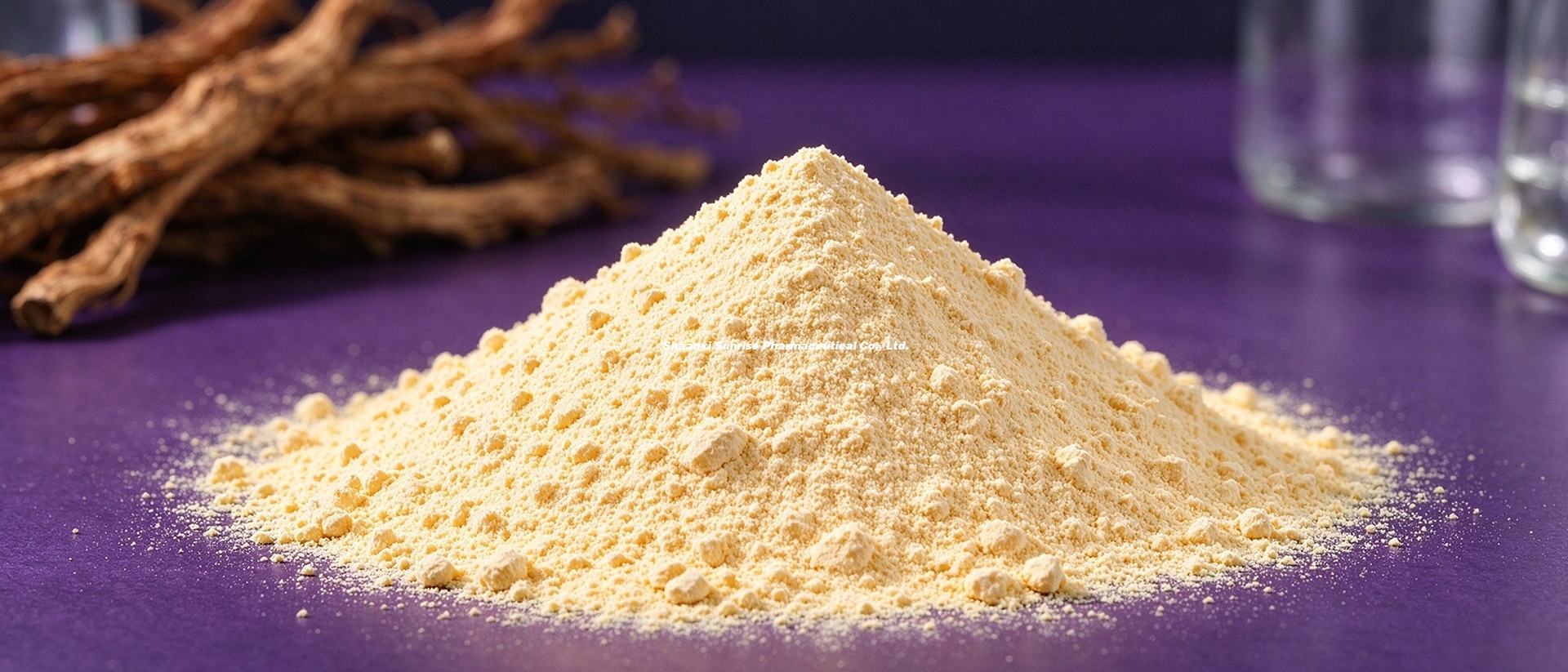
The Bench Reality: The root of the Stephania plant (like Stephania japonica or Stephania cepharantha) is a botanical goldmine, but it is an absolute nightmare to process. It contains dozens of structurally similar bisbenzylisoquinoline alkaloids.
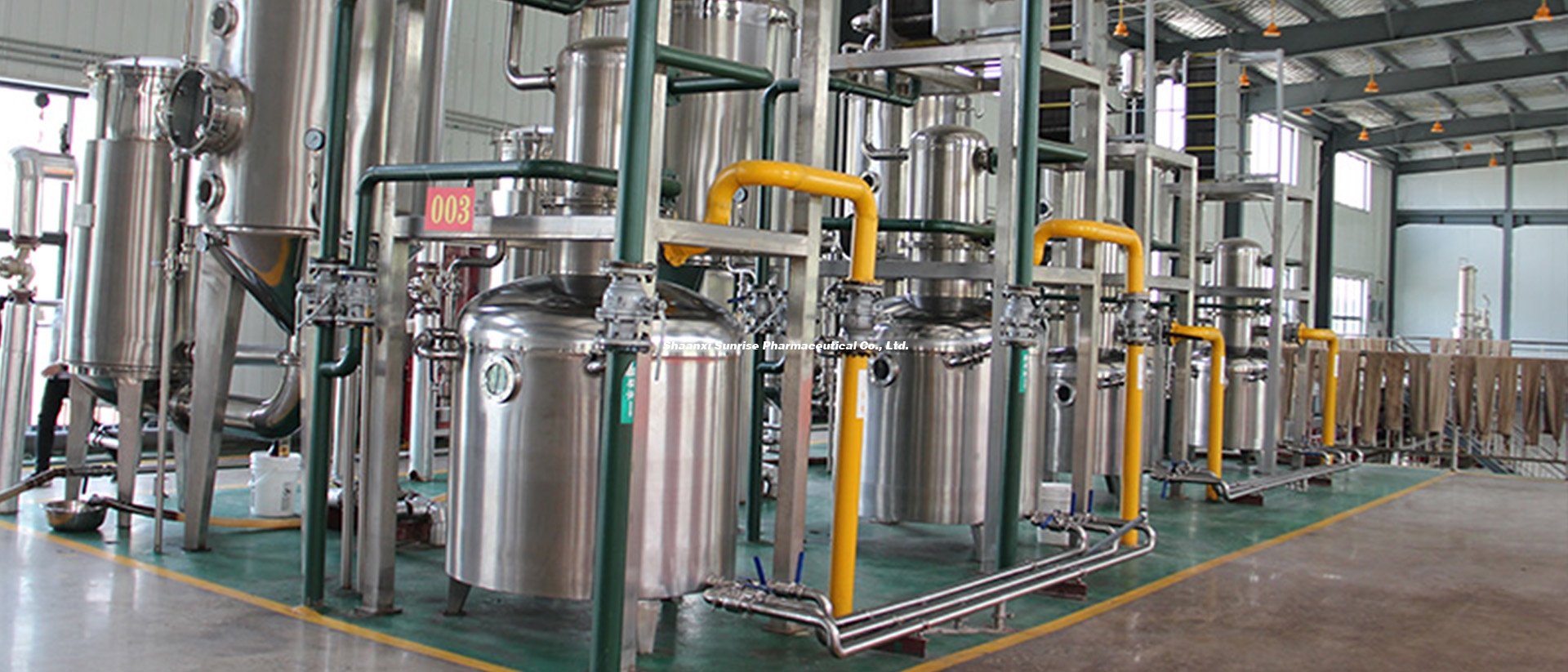
When you run a standard solvent extraction on the root, you get a messy, dark brown paste. To isolate Cepharanthine specifically, you have to push that crude paste through massive silica gel chromatography columns, meticulously tweaking the mobile phase to tease the Cepharanthine away from its closely related "cousin" alkaloids. That is why genuine 98% purity commands a premium, and why so many suppliers try to fake it.
The Chemistry: Why Purify to 98%?
If your brand is developing targeted cellular-support capsules or specialized scalp serums, you cannot rely on a crude 10% extract. The background noise of the other plant compounds will ruin your formulation.
Dosing Precision for Cellular R&D
In immunological and oncological adjuvant research, scientists dose Cepharanthine at the microgram or milligram level. A 98% isolate ensures that the observed biological mechanisms (like calcium channel interference or cytokine modulation) are strictly due to Cepharanthine, not a random, unidentified alkaloid from the crude root.
Removing Phytochemical "Sludge"
Crude Stephania extracts are rich in resins, tannins, and heavy pigments. If you attempt to formulate a topical alopecia/scalp serum (a very common application for Cepharanthine in Asia), a crude extract will stain the scalp, smell terrible, and precipitate out of your solvent base. The 98% crystal dissolves cleanly.
Reading the COA Like a QC Chemist
When you pull our Certificate of Analysis for Cepharanthine 98% Powder, you are reviewing a pharmaceutical-grade botanical isolate. Here is how you verify it.
| Analytical Parameter | The Factory-Floor Translation |
|---|---|
| Assay: ≥ 98.0% (HPLC) | If the test method says "UV spectrophotometry" or "Titration," reject the batch. UV cannot distinguish Cepharanthine from the other 20 alkaloids in the plant. Only High-Performance Liquid Chromatography (HPLC) proves baseline separation. |
| Botanical Origin | Stephania cepharantha / Stephania japonica (Root). The authentic tuberous root source of the active alkaloid. |
| Appearance | White to light yellow powder. If it looks dark brown, green, or feels sticky, it is a crude extract that skipped the chromatography column entirely. |
| Solubility Profile | Lipophilic (Organic Solvents). Highly soluble in chloroform, ethanol, and methanol. Practically insoluble in water. |
[WARNING] // Formulation Solubility Protocol
Do not hand this powder to a formulator and expect them to stir it into a glass of water. Cepharanthine is an alkaloid; it is fiercely lipophilic. If you are developing a liquid tincture or a topical scalp serum, you must first solubilize the powder in a suitable organic carrier (like ethanol, specific glycols, or a lipid base). If you drop it in water, it will instantly precipitate into useless, gritty chunks at the bottom of your mixing tank.
Where Contract Manufacturers Are Deploying It
Because of its well-documented history in pharmacology, Cepharanthine 98% is utilized in specialized, high-end applications:
Cellular & Immune Research Formulations: Utilized by advanced dietary supplement brands and CROs to support immune modulation and cellular health pathways.
Scalp & Follicle Serums: In Japan and parts of Asia, Cepharanthine has a long history of use in topical formulas targeting alopecia and scalp microcirculation. The 98% purity ensures it penetrates the scalp without leaving a sticky resin residue.
Adjuvant Recovery Stacks: Formulated into premium recovery capsules designed to support cellular homeostasis under extreme stress.
How to Audit an Alkaloid Supplier Without Getting Scammed
Extracting bisbenzylisoquinoline alkaloids requires heavy-duty solvents and complex engineering. If your supplier stutters on these four parameters, walk away.
Demand the HPLC Chromatogram
Ask to see the actual HPLC readout. If you see a massive, messy "hump" instead of a sharp, singular peak, their separation column failed. You are buying a mixed-alkaloid cocktail, not 98% Cepharanthine.
Check the Heavy Metals Profile
Stephania is a tuberous root. Roots act like sponges for soil contaminants. Because you are concentrating the extract to 98%, you can accidentally concentrate heavy metals. Demand a clean panel for Lead, Arsenic, and Cadmium.
Verify the Residual Solvents
We use specific organic solvents to pull this alkaloid through the silica gel. Your supplier’s COA must explicitly prove that all residual solvents were stripped out under deep vacuum, well below USP/EP safety limits.
Test Their Scalability
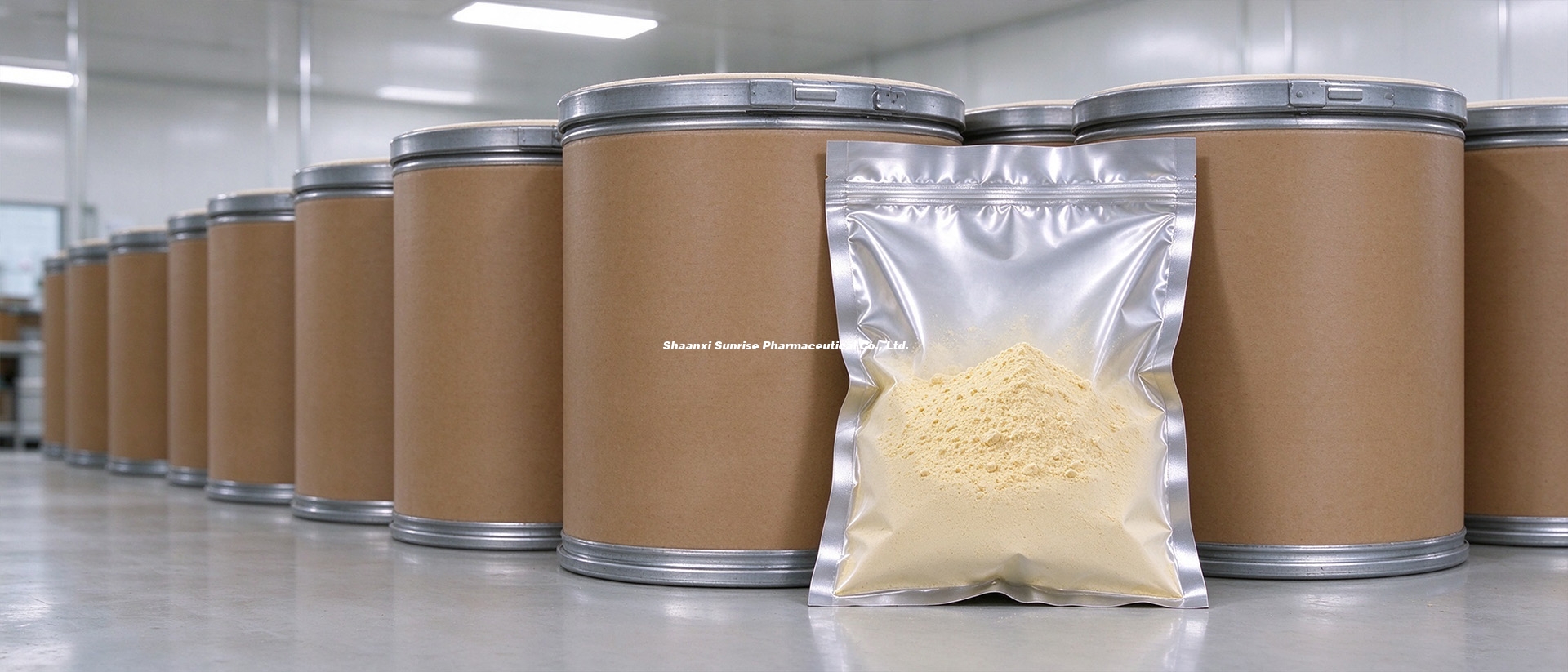
We supply 1 kg foil bags for your bench trials and 25 kg fiber drums for full commercial runs. If your supplier panics when you ask for 50 kilos of pure Cepharanthine, they are just a trader sourcing from multiple small labs.
FAQ From the Formulation Bench
Is this an approved pharmaceutical drug?
No. While Cepharanthine is heavily researched in global pharmacology and virology, the 98% powder we supply is sold strictly as a B2B raw botanical extract for dietary supplement formulation, cosmetic (scalp), and research purposes. You must clear finished-product claims with your local regulatory body.
Can I just stir this into water for a liquid shot?
No. Cepharanthine is fiercely lipophilic and practically insoluble in water. You must use an organic solvent or lipid carrier for liquid formulation.
Why is the price of Cepharanthine 98% so high?
Because the yield from the raw root is extremely low, and purifying it via industrial chromatography requires complex, multi-step engineering.
Do you sell finished hair-loss serums or immune capsules?
No. We operate strictly as an upstream B2B bulk raw material manufacturer and do not manufacture finished consumer products.
Stop Buying Fake Stephania Extracts
If your R&D team requires precise, HPLC-verified Cepharanthine without the crude botanical sludge, review our product specifications or contact our desk for samples.
View Product Specs & Request Sample