


The Maltodextrin Scam: A Factory-Floor Guide to Sourcing Real Astragalus Polysacharin 98%
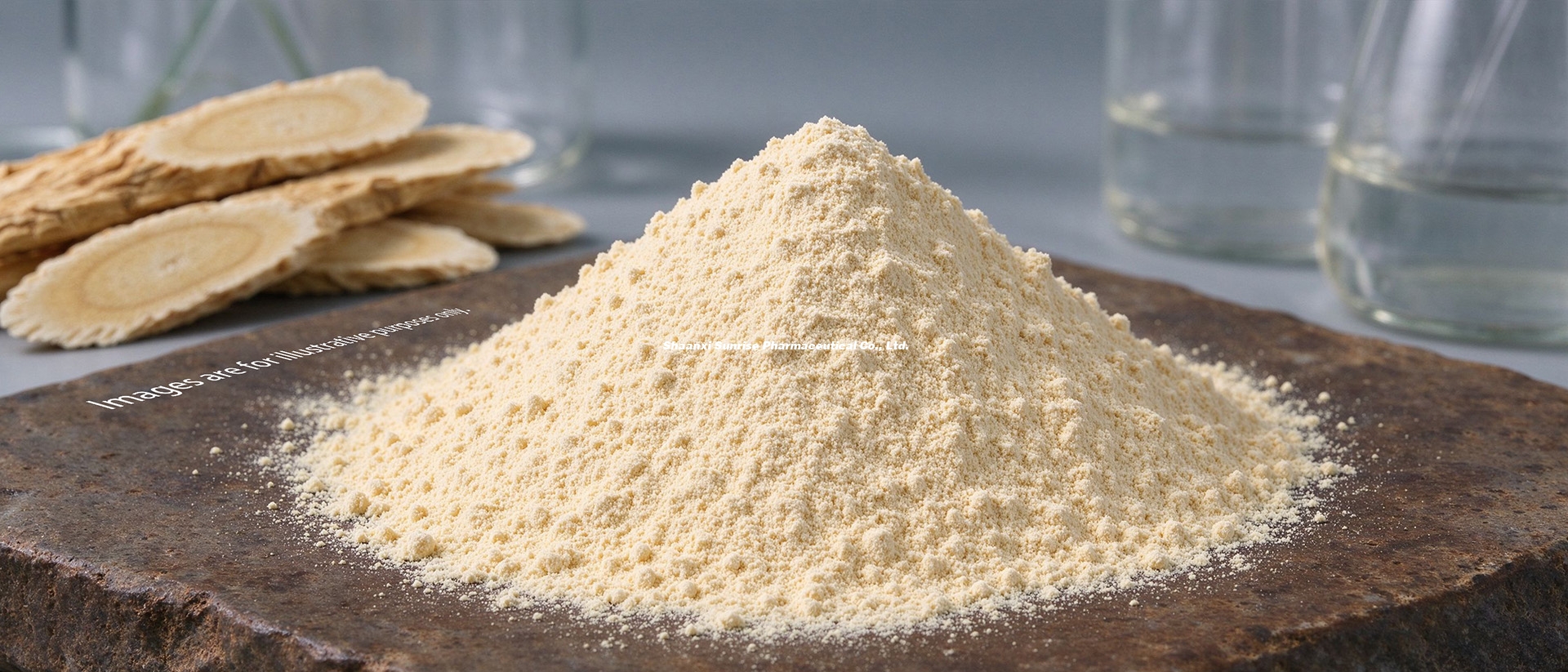
The Bench Reality: Astragalus root (Astragalus membranaceus / Mongolian Milkvetch) is the heavy hitter in immune-modulating formulas. While some anti-aging brands focus on the minor saponins (like Astragaloside IV), the actual heavy lifting for macrophage activation is done by the Astragalus Polysaccharides.
Here is the problem: At its core, a polysaccharide is just a long, complex chain of sugar molecules. You know what else is a long chain of sugar molecules? Maltodextrin. Dextran. Tapioca starch. Shady extraction factories know that standard testing methods struggle to tell the difference between the bioactive sugars from the Astragalus root and the cheap filler sugars they dump into the blending vat.
1. The Chemistry: Why Extraction Matters
To get a true 98% Astragalus Polysaccharide, we can't just grind up the root and spray-dry it. We have to isolate the specific macromolecular structures that actually communicate with human immune cells.
The Target: Immune Receptor Binding
Authentic Astragalus polysaccharides are massive macromolecules composed of specific monosaccharides (like glucose, arabinose, and galactose) linked in complex 3D structures. It is this exact biological shape that binds to toll-like receptors (TLRs) on immune cells, triggering the desired adaptogenic response. It's not just "sugar"—it's a biological key.
The Process: Water Extraction & Ethanol Precipitation
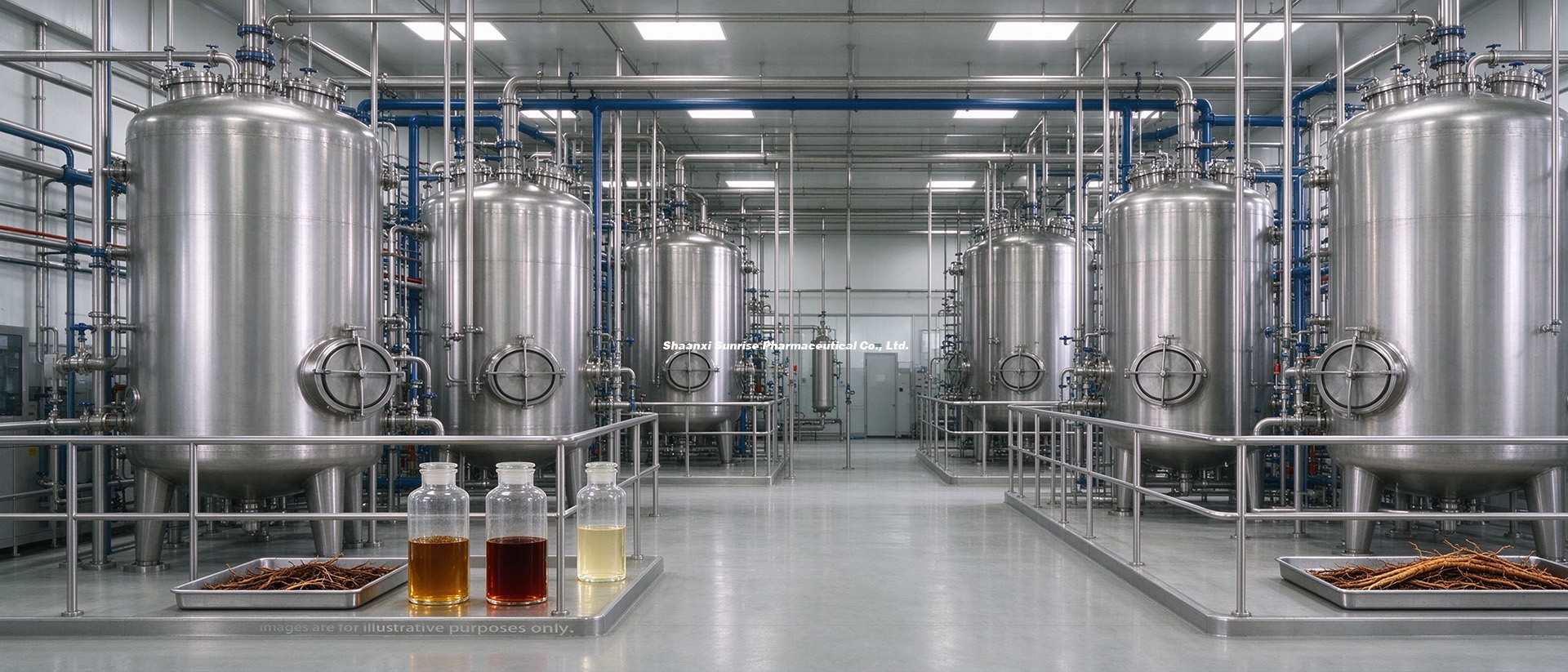
We extract the root in hot water, concentrate the liquid, and then do something very specific: we dump ethanol into the tank. The heavy, active polysaccharides crash out of the solution (precipitate) and fall to the bottom, while the useless small sugars and impurities stay dissolved in the alcohol. We filter the sludge and dry it. It takes roughly 25 kilos of dried root to get 1 kilo of 98% extract. That's why real material isn't cheap.
2. Why the UV Test is Broken (And How Brokers Cheat)
When you pull our Certificate of Analysis for Astragalus Polysacharin 98% Powder, you'll see the assay is tested via UV-VIS (usually the Phenol-Sulfuric Acid method). Here is the dirty secret about that test:
The standard UV test only measures total carbohydrates. It is completely blind to the *source* of those carbohydrates. If a broker takes a 20% Astragalus extract and cuts it with 80% cheap corn maltodextrin, the UV machine will still read "98% Polysaccharides." You think you are buying an immune booster, but you are actually filling your capsules with empty carbs.
| Analytical Parameter | The Factory-Floor Translation |
|---|---|
| Assay: ≥ 98.0% (UV-VIS) | Since UV just checks total sugars, you must pair this metric with an Iodine test or an enzymatic assay to prove the absence of exogenous starch/dextrin. |
| Botanical Origin | Astragalus membranaceus (Fisch.) Bunge (Root). The authentic Mongolian Milkvetch root. Leaves and stems do not yield the correct polysaccharide structures. |
| Loss on Drying | ≤ 5.0%. Polysaccharides are moisture magnets. If the initial moisture is high, the powder will absorb ambient humidity and turn into a sticky brick in your warehouse. |
| Heavy Metals | Roots absorb heavy metals from the soil. Extracting to 98% purity requires heavy filtration. Check the Lead and Arsenic lines carefully. |
[WARNING] // The Formulation Trap: Mixing Tank Gelation
If you are formulating a liquid immunity shot, listen closely to your compounders. Astragalus Polysacharin is highly water-soluble, but because it is a massive macromolecule, it acts like a hydrocolloid. If you dump a 10kg bag directly into a cold mixing tank, it will instantly form massive, sticky, gelatinous clumps that will wrap around your agitator blades and choke the motor. You must pre-wet the powder with glycerin or sift it extremely slowly into high-shear, heated water.
3. Where Contract Manufacturers Are Actually Using It
Because of its adaptogenic history and high water solubility (once properly mixed), Astragalus Polysacharin 98% is a staple in:
Daily Immune Defense Capsules: Often stacked with Echinacea, Vitamin C, and Zinc to provide baseline macrophage support during cold seasons.
Adaptogenic RTD Beverages: Formulated into clear or lightly cloudy functional waters targeting stress relief and adrenal fatigue.
Veterinary & Feed Additives: Interestingly, massive volumes are used in premium animal nutrition to naturally boost the innate immune response in livestock without relying on antibiotics.
4. How to Audit a Polysaccharide Supplier
Isolating high-molecular-weight sugars is tricky. Faking them is incredibly easy. Ask your supplier these four questions before you sign a PO.
Do the Yield Math
It takes roughly 25 kilos of dried Astragalus root to produce 1 kilo of genuine 98% polysaccharide extract. Call around and find out the current spot price for raw Astragalus root. If a supplier is offering you the finished 98% powder at a price lower than the raw dirt-root cost, you are buying a drum of maltodextrin. It’s simple math.
Demand the Iodine Test
Reputable factories will run an iodine test (or specific enzymatic assays) to prove the absence of exogenous starch. The iodine test takes five minutes. If the solution turns blue/purple, it's full of added starch. If they refuse to guarantee "Maltodextrin-Free" in writing, walk away.
Audit the Heavy Metals
Because Astragalus is a deep-rooted plant grown in northern China, soil quality is everything. Your COA must explicitly prove that Lead, Arsenic, and Cadmium were filtered out well below USP/EP safety limits. Concentrating the extract concentrates the toxins if you aren't careful.
Reject Flimsy Packaging
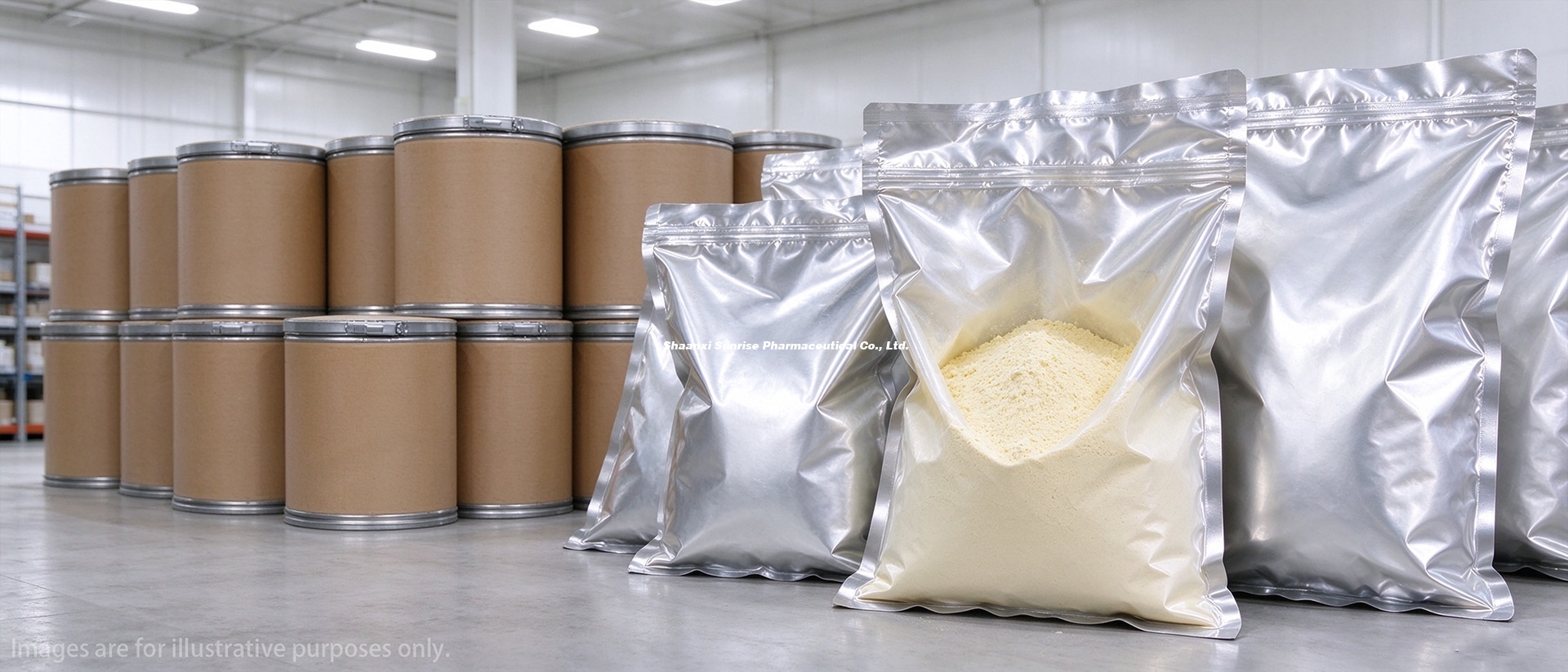
Polysaccharides are intensely hygroscopic. We pack commercial runs in thick, double-layer aluminum foil bags, pull a hard vacuum, and place them inside rigid fiber drums. If your supplier ships this stuff in thin, unlined plastic bags inside cardboard boxes, the powder will clump into a rock during ocean transit.
FAQ From the Formulation Bench
Is this the same thing as Astragaloside IV?
No. Astragalus root contains two main active fractions: Saponins (like Astragaloside IV) and Polysaccharides. Saponins are small, lipophilic molecules often used for anti-aging/telomere research. Polysaccharides are massive, water-soluble sugars used primarily for immune modulation.
Why does the powder get sticky when I leave the bag open?
Because it is highly hygroscopic. The complex sugars naturally pull moisture from the ambient air in your facility. You must seal the bag immediately after weighing on the factory floor, and use desiccants in your final capsule packaging.
Can I dissolve it in an alcohol tincture?
No. In botanical extraction, we actually use ethanol specifically to precipitate (crash out) polysaccharides. They are water-soluble but entirely insoluble in high-proof alcohol. If you drop this powder into a strong tincture, it will fall to the bottom as sludge.
Do you sell finished immune-support capsules?
No. We operate strictly as an upstream B2B botanical extraction factory. We process the raw root, run the alcohol precipitation tanks, and supply the bulk 98% powder to brands and contract manufacturers. We do not make retail goods.
Stop Paying Extract Prices for Corn Starch
If your brand is built on delivering real adaptogenic and immune-modulating results, you cannot formulate with spiked powders. Review the exact biochemical specifications on our product page, or contact our procurement desk directly for heavy metal panels and a sample.
View Product Specs & Request Sample