



In the functional skincare industry, consumers with sensitive skin often face a difficult dilemma: they want effective anti-aging results, but their skin barrier cannot tolerate harsh, aggressive active ingredients. Traditional anti-aging powerhouses often come with peeling, irritation, or long tolerance-building periods. However, one active ingredient has earned the title of the skincare "Blue Sapphire" due to its powerful regenerative, anti-wrinkle, and soothing capabilities: Copper Tripeptide-1 (GHK-Cu).
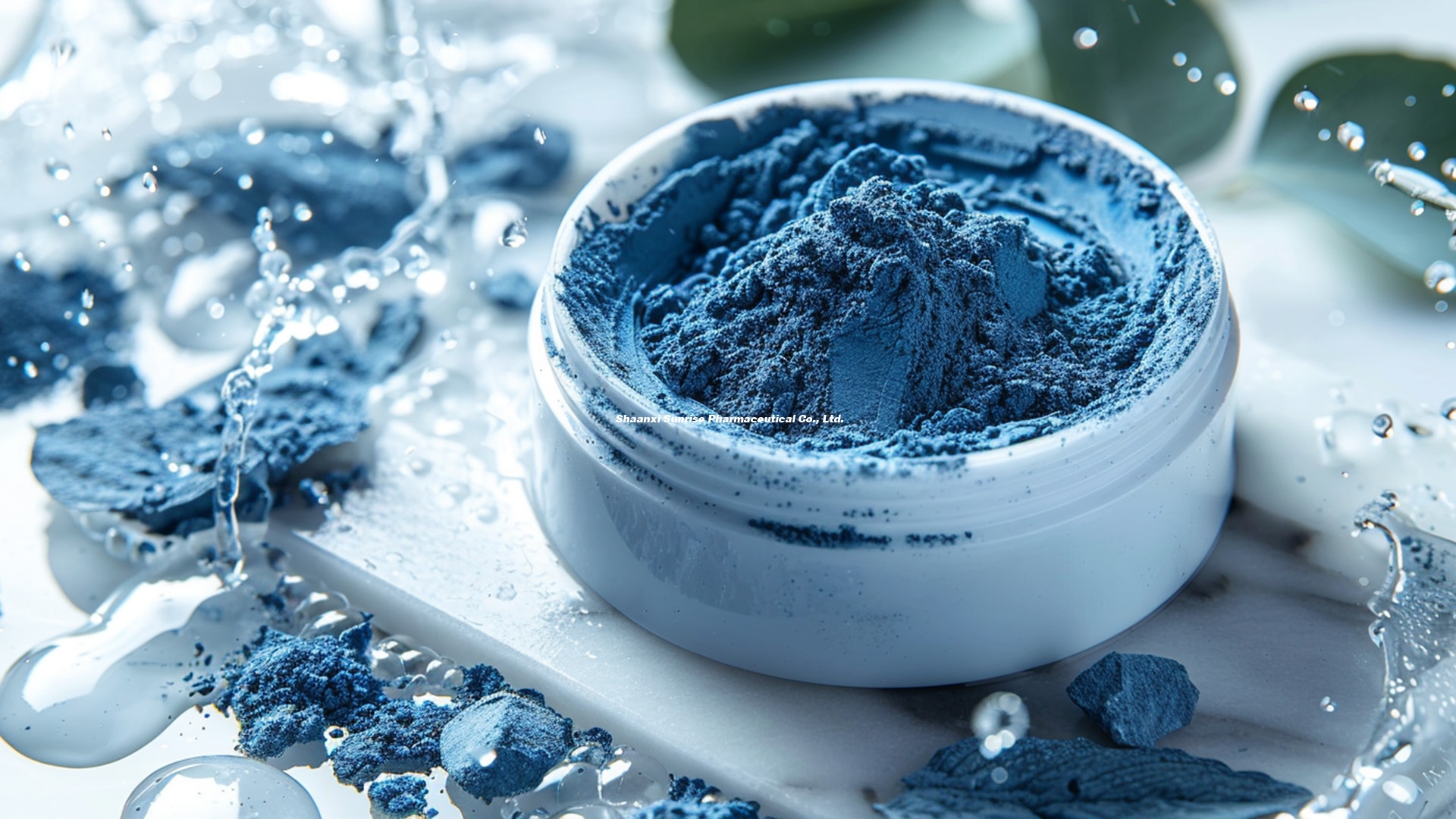
Copper Tripeptide-1 is formed by Glycine (G), Histidine (H), and Lysine (K) linking together to form a tripeptide that binds with a copper ion. GHK-Cu is naturally present in human plasma and can be released from tissues during injury. Since its discovery in 1973, GHK-Cu has become a recognized protective and regenerative ingredient widely incorporated into personal care formulations.
1. Comparison: GHK-Cu vs. Traditional Anti-Aging Actives
Why is Copper Tripeptide-1 uniquely suited for sensitive skin? Comparing it directly with mainstream anti-aging actives highlights its distinct profile:
Vs. Retinoids (VA): Retinoids promote keratinocyte metabolism and stimulate collagen synthesis. However, their application is limited by the need to build skin tolerance and potential irritation across sensitive populations. In contrast, Copper Tripeptide-1 offers high skin compatibility, delivering gentle and efficient anti-aging support without peeling or discomfort.
Vs. Vitamin C & Derivatives: Vitamin C neutralizes free radicals, inhibits melanin synthesis, and supports collagen production. However, it is sensitive to light, prone to oxidation, and can cause stinging on compromised skin barriers. Copper Tripeptide-1 provides strong antioxidant defense with high dermal safety and zero irritation because it is homologous to human biological components.
Vs. Pro-Xylane (Boseine): Pro-Xylane primarily functions by stimulating glycosaminoglycans (GAGs) and restoring extracellular matrix (ECM) function, though it can feel heavy and act relatively slowly. Copper Tripeptide-1 not only repairs GAGs and the ECM, but also directly promotes the synthesis of multiple collagens (Types I, III, IV) and elastin, while visibly improving redness, roughness, and dull skin tone.
2. Cellular-Level Activation: Proliferation & Antioxidant Data
The anti-aging efficacy of Copper Tripeptide-1 is grounded in measurable cellular performance. In vitro laboratory evaluations provide clear data:
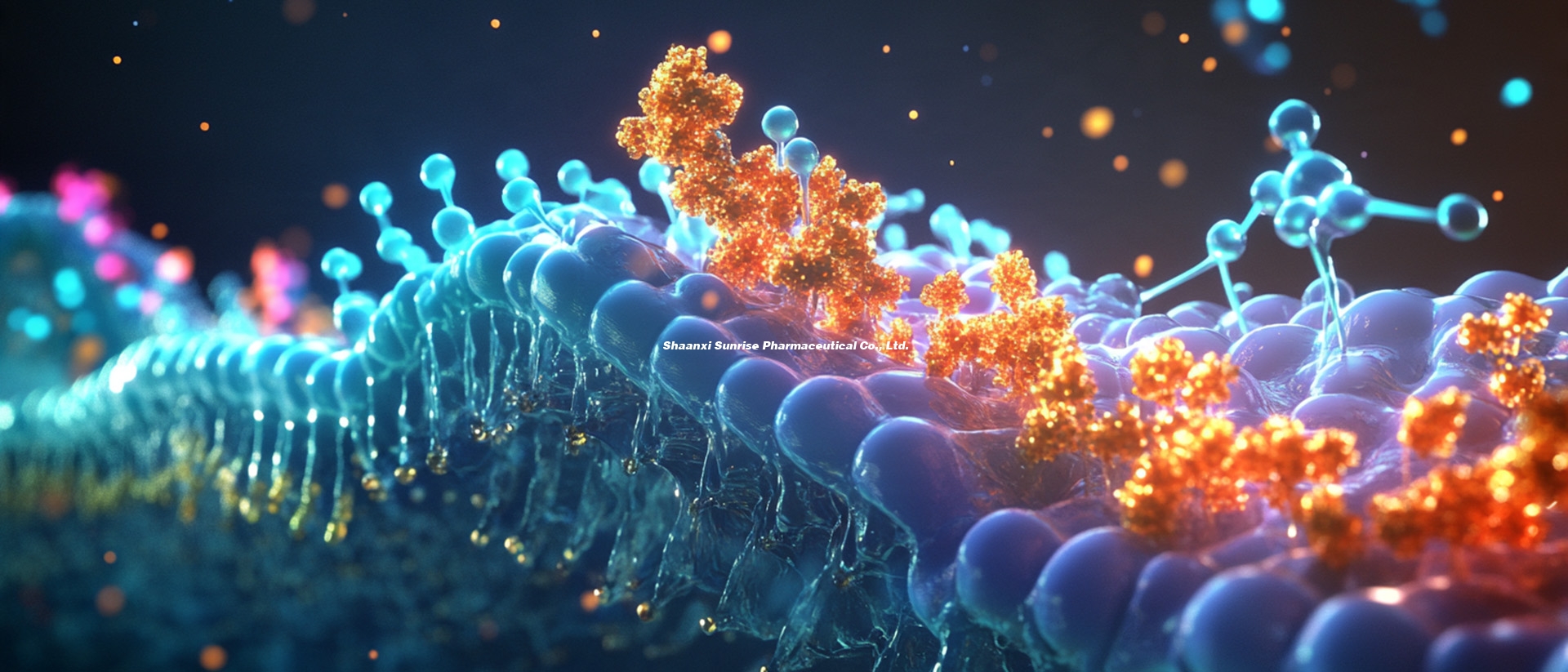
1. Epidermal and Dermal Proliferation: Copper Tripeptide-1 exhibits a marked proliferative effect on HaCaT cells (human immortalized epidermal cells). At a concentration of 0.031%, the relative cell viability reaches 2.8 times that of the negative control. Furthermore, it stimulates HDFn cells (human dermal fibroblasts - neonatal), where a 0.031% concentration yields a cell viability 2.5 times that of the negative control.
2. Free Radical Scavenging: Copper Tripeptide-1 enhances radical clearance across a concentration range of 0.0031% to 0.05%. At 0.05%, the PTIO radical scavenging rate reaches 5.48%. Concurrently, it clears DPPH free radicals, achieving a 9.54% scavenging rate at a 0.05% concentration.
3. Barrier Support: Soothing & Anti-Inflammatory Metrics
For reactive skin, soothing inflammation and restoring barrier density are prerequisites for healthy aging. When the skin barrier is damaged by irritants like sodium lauryl sulfate (SLS), tissue structure loosens, cell layer thickness decreases, and inflammatory markers spike.
Compared to negative control groups, Copper Tripeptide-1 significantly improves damaged tissue morphology across concentrations, demonstrating clear soothing and anti-inflammatory activity.
Quantitative testing demonstrates significant suppression of key inflammatory cytokines:
At a 0.5% GHK-Cu concentration: IL-1α inhibition reaches 41.69%, and TNF-1α inhibition reaches 77.06%.
At a 0.3% GHK-Cu concentration: IL-1α inhibition is 30.91%, and TNF-1α inhibition is 55.53%.
At a 0.1% GHK-Cu concentration: IL-1α inhibition remains at 21.49%, and TNF-1α inhibition is 6.27%.
4. Clinical Realities: 28-Day Human Efficacy Testing
Laboratory findings translate directly to clinical outcomes. In a human efficacy trial evaluating a 0.1% Copper Tripeptide-1 serum across 31 subjects over 28 days, skin metrics demonstrated visible improvements:
Roughness Reduction: Facial skin roughness decreased by 32% after 28 days.
Wrinkle Smoothing: VISIA image analysis confirmed a significant reduction in surface wrinkles, with the wrinkle score dropping by 21.13% at day 28.
Hydration Enhancement: Skin hydration increased by 4.51% over baseline after 28 days.
Elasticity Recovery: Cutometer measurements revealed an increase of 13.18% in the R2 elasticity parameter and 12.23% in the Q1 parameter after 28 days.
5. Upstream Standards and High-Purity Synthesis
The clinical performance of Copper Tripeptide-1 depends on raw material purity and crystallization control. As a lead unit for industry standards and group standard formulation for cosmetic-grade Copper Tripeptide-1, advanced liquid-phase synthesis yields high-purity crystalline copper peptides with an HPLC purity profile reaching up to 99.99%.
For sensitive skin seeking to reverse structural aging while preserving barrier integrity, Copper Tripeptide-1 combines matrix repair, anti-inflammatory support, and collagen synthesis, establishing itself as a premier active in clinical skincare formulations.